
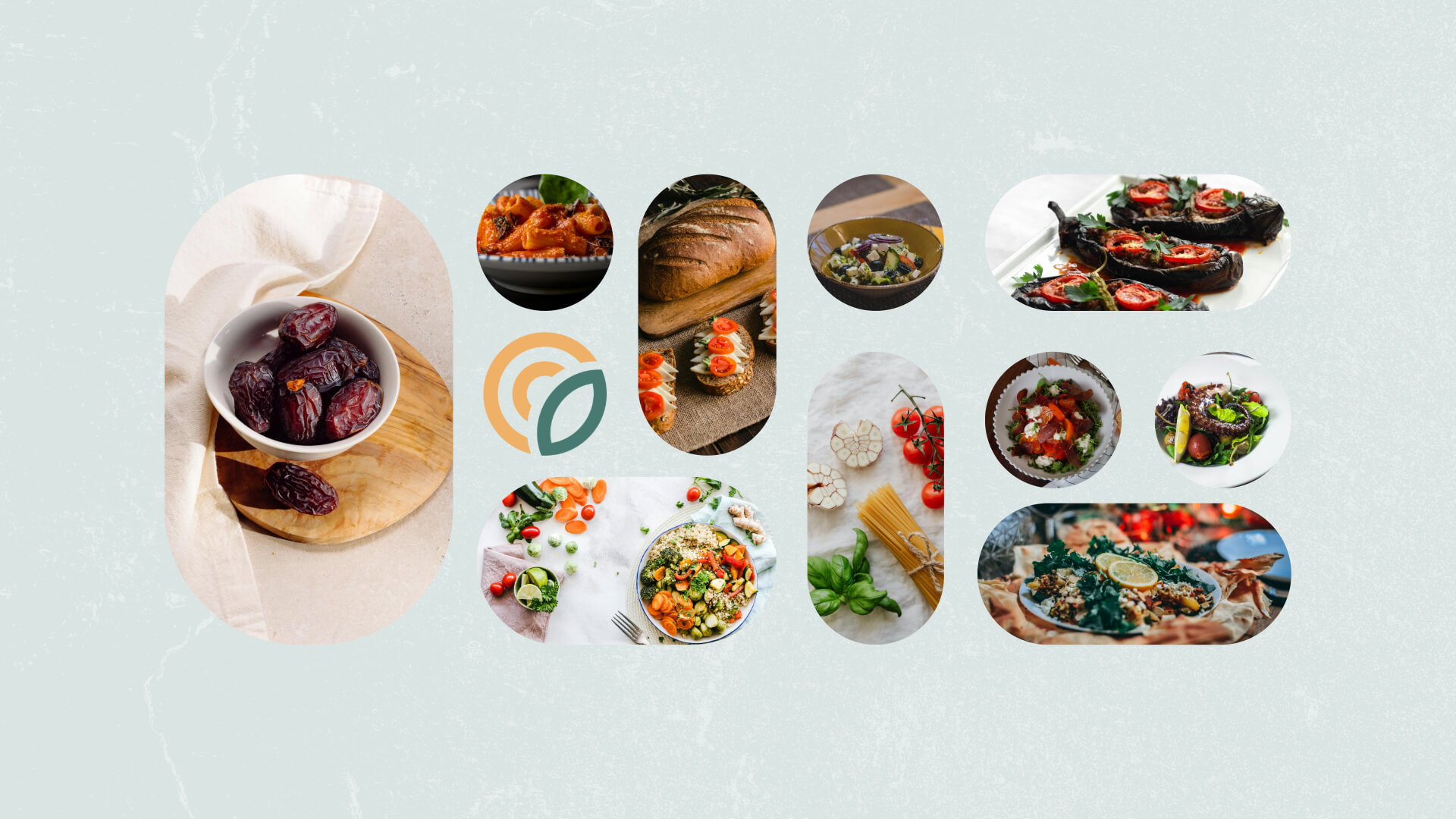
The Mediterranean diet is more than just an eating pattern. It reflects a way of life rooted in the cultures of Southern Europe. Inspired by the traditional food habits of people in Greece, Italy, southern France, and Spain, this approach to eating has proven to be one of the healthiest and most sustainable over the long term.
What exactly is the Mediterranean diet?
Simplicity lies at the heart of the Mediterranean diet. Foods are typically unprocessed or only minimally processed, and meals rely on local, seasonal ingredients. Vegetables, fruits, legumes, whole grains, nuts, seeds, and extra virgin olive oil form the foundation of daily meals. Fish and seafood are eaten regularly, red meat appears less frequently, and dairy products, especially yogurt and fermented cheeses, are included in moderate amounts.
Why is it so highly regarded?
This dietary pattern has drawn scientific attention since the 1960s, when researchers noticed that people living in Mediterranean regions had relatively low rates of cardiovascular disease despite consuming a diet that was not low in fat. The key difference was that most fats came from unsaturated sources such as olive oil and fatty fish.
Over the decades, numerous epidemiological and clinical studies have confirmed the connection between the Mediterranean diet and a lower risk of chronic conditions, including heart disease, type 2 diabetes, obesity, and certain cancers. Evidence is also growing that it supports cognitive health and may help slow age-related mental decline.
An important and often overlooked element is the social dimension. Sharing meals with others is just as meaningful as the food itself. Beyond nutrition, the Mediterranean diet reflects a balanced lifestyle. Meals are enjoyed in a relaxed atmosphere, often in good company, with attention given to presence and flavor. Moderate physical activity and a slower daily pace complement this way of living and contribute to overall well-being.
How can it be applied in everyday life?
Adopting the Mediterranean diet does not mean relocating to a seaside island. Small, consistent changes are enough. This eating pattern can be implemented without drastic or expensive adjustments and can be adapted to local contexts by choosing equivalent foods. For example, ocean fish can be replaced with locally sourced fish, exotic vegetables with seasonal garden produce, and extra virgin olive oil with another high-quality cold-pressed oil if necessary. What matters most is maintaining the right balance between food groups and keeping daily calorie intake aligned with energy expenditure.
The Mediterranean diet is not about restriction, but about discovering how enjoyable balance can be. It represents a modern model of nutrition through its proven health benefits, while remaining traditional in its origins and structure. Accessible, versatile, and supported by strong scientific evidence, it continues to stand out as a reliable approach to long-term health in a world where balance is becoming increasingly valuable.
In this context, digital solutions have also emerged to make everyday adoption easier, such as the Wellolive app, where users can access meal plans built on Mediterranean diet principles and tailored to individual needs.