
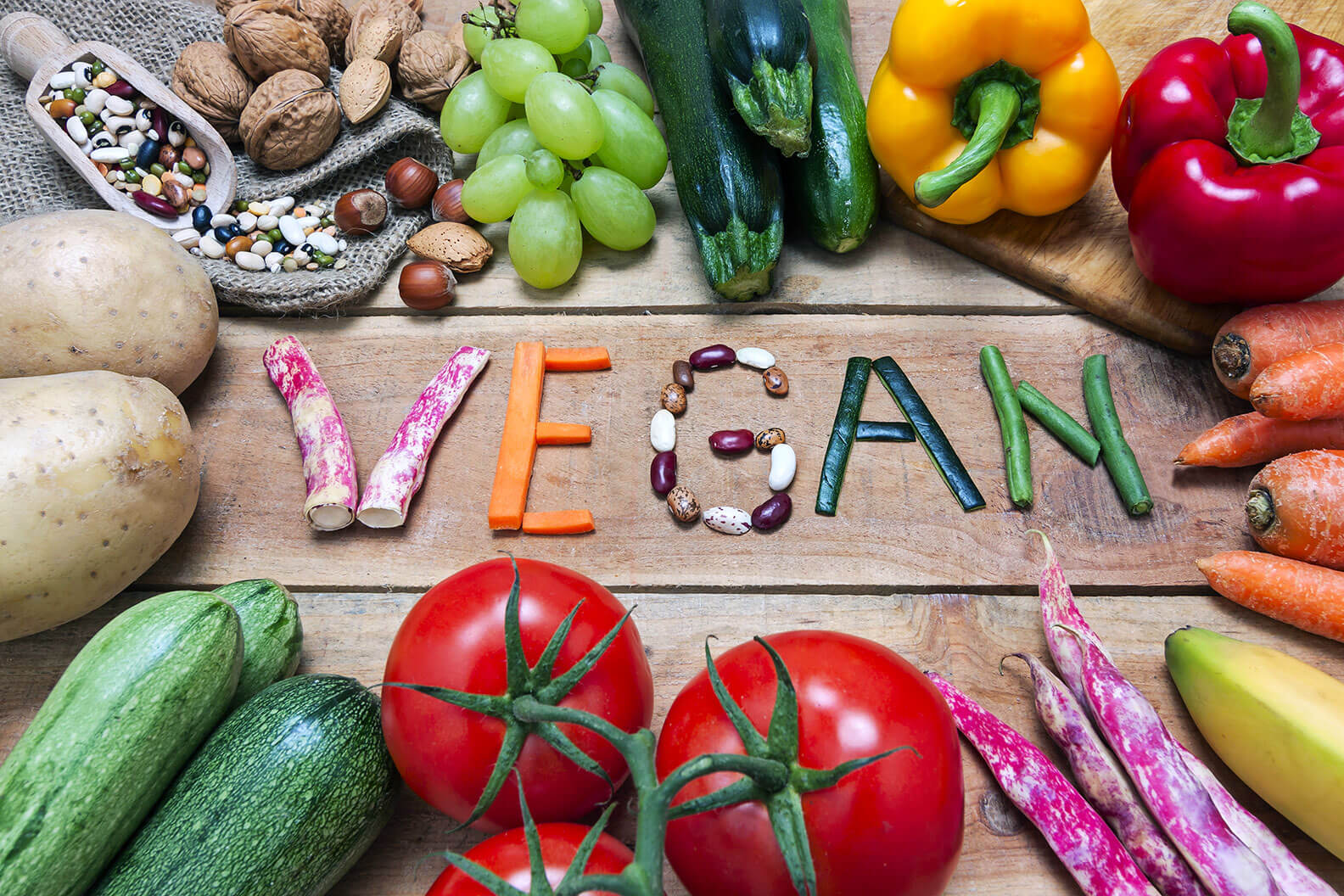
Veganism and vegetarianism are more than simple dietary choices. They represent lifestyles shaped by a variety of motivations, from ethics and sustainability to health and personal well-being. However, adopting a vegan or vegetarian diet can also come with specific nutritional challenges. In this article, we explore both the advantages of plant-based eating and the obstacles it may present, along with practical guidance for ensuring adequate nutrient intake. The Wellolive virtual assistant helps you create a personalized nutrition plan tailored to your needs, whether you are vegan, vegetarian, or simply interested in exploring these options.
Benefits of vegan and vegetarian diets
1. Health advantages
Lower risk of chronic disease
Plant-based diets are associated with a reduced risk of cardiovascular disease, type 2 diabetes, and certain cancers. A high intake of fruits, vegetables, nuts, and seeds provides abundant antioxidants, fiber, and unsaturated fatty acids that support overall health.
Healthy body weight
Many people who adopt vegan or vegetarian eating patterns experience weight loss due to lower calorie intake and reduced saturated fat consumption. Plant foods generally have lower energy density, allowing for high nutrient intake without excess calories.
Improved digestion
Plant-based diets are naturally rich in fiber, which supports digestive health and promotes a balanced gut microbiome.
2. Environmental and ethical impact
Sustainability
Vegan and vegetarian diets typically have a smaller environmental footprint than diets centered on animal products. They require fewer natural resources such as water and land and generate lower greenhouse gas emissions.
Animal welfare
Avoiding animal-derived foods reduces demand for meat, dairy, and eggs, supporting broader efforts to improve animal welfare.
Nutritional challenges and how to overcome them
Despite their many benefits, vegan and vegetarian diets can present certain nutritional concerns. Complete proteins, which contain all essential amino acids, are more easily obtained from animal products. As a result, meeting protein needs on a plant-based diet requires thoughtful planning.
The Wellolive app suggests effective combinations of plant protein sources such as legumes (lentils and chickpeas), quinoa, tofu, and seeds. By combining different sources, you can achieve a complete amino acid profile.
The app also highlights foods that provide vitamin B12, pairs plant-based iron sources with vitamin C–rich foods to improve absorption, identifies plant sources of omega-3 fatty acids, and recommends calcium- and vitamin D–rich alternatives to ensure adequate intake of essential nutrients in vegan and vegetarian diets.
Personalized support through Wellolive
The Wellolive virtual assistant is designed to generate a nutrition plan fully adapted to a vegan or vegetarian lifestyle:
- Set your dietary preferences by selecting the eating pattern you follow and any specific restrictions.
- Receive an automatically generated meal plan with balanced recipes that match your requirements and provide variety in daily meals.
- Adjust the plan as your needs change, with automatic recalculation based on updated goals or preferences.
Vegan and vegetarian lifestyles offer significant health, ethical, and environmental benefits, but their nutritional challenges should not be overlooked. With the support of the Wellolive app, these challenges can be managed effectively, helping you maintain a balanced diet aligned with your personal goals.
Whether you are new to plant-based living or have followed it for years, the app provides the guidance needed to build a healthy, balanced lifestyle in the simplest possible way, exactly as you want it.
Be you. Be healthy.