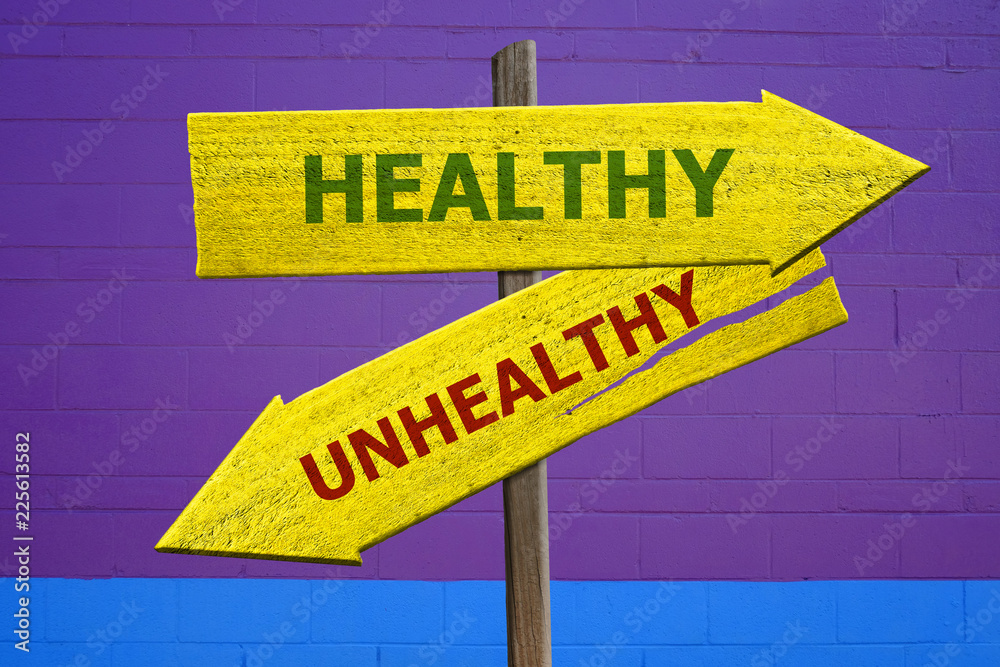

What does a healthy and balanced lifestyle mean today?
A healthy and balanced lifestyle does not refer only to nutrition or exercise, but to a combination of factors that must work together in harmony, ranging from overall health and balanced eating to physical activity and positive, healthy habits.
And how do we adopt such a lifestyle?
The foundation certainly lies in education and prevention.
We live in an extremely dynamic world, in constant transformation, dominated by pressure and stress. In these conditions, it is very important to care for ourselves and to learn every day how to adopt and maintain a healthy lifestyle that is as personalized as possible to our needs and goals.
The World Health Organization defines a healthy and balanced lifestyle by highlighting three main dimensions:
- Reducing the risk of illness and increasing life expectancy – indeed, many existing diseases cannot be prevented, but certain conditions, such as cardiovascular diseases or lung cancer, can be avoided by adopting a balanced way of living.
- The ability to enjoy the beauty of life – referring to physical and mental health, as well as social well-being, which allows you to enjoy and make the most of life’s opportunities, spend quality time, and build meaningful interpersonal relationships.
- Becoming an example for family and loved ones – inspiring family members, friends, and close people to embrace a balanced lifestyle and healthy habits.
If we also consider today’s reality through the latest global statistics from 2022, the data is extremely alarming:
- 1 in 8 people worldwide lives with obesity, while 2.5 billion adults aged 18 and over are overweight, including 890 million who are obese.
- 43% of adults aged 18 and over are overweight, and 16% live with obesity.
- 37 million children under the age of five are overweight.
- More than 390 million children and adolescents aged 5–19 are overweight, including 160 million who are obese.
Data related to diseases such as diabetes and cardiovascular conditions is equally concerning:
- 10.5% of the global adult population aged 20–79 has diabetes, and nearly half are unaware of it (according to the International Diabetes Federation).
- Cardiovascular diseases are the leading cause of death worldwide, responsible for approximately 17.9 million deaths each year, representing 31% of all deaths (according to the World Health Organization).
Starting from this reality, it becomes increasingly clear that adopting a healthy and balanced lifestyle must become a priority for everyone.
Where do we begin?
Health status
To maintain good health, it is recommended to undergo routine medical tests at least once a year—or more often if you suffer from a specific condition—while monitoring relevant health indicators such as blood glucose, blood pressure, and cholesterol levels.
In this way, you can prevent conditions such as diabetes or cardiovascular disease and treat any detected health problems in time.
Healthy and balanced nutrition
We should view the body as a complex machine that needs both fuel and lubrication to function properly. In this sense, we refer to both healthy nutrition and proper hydration.
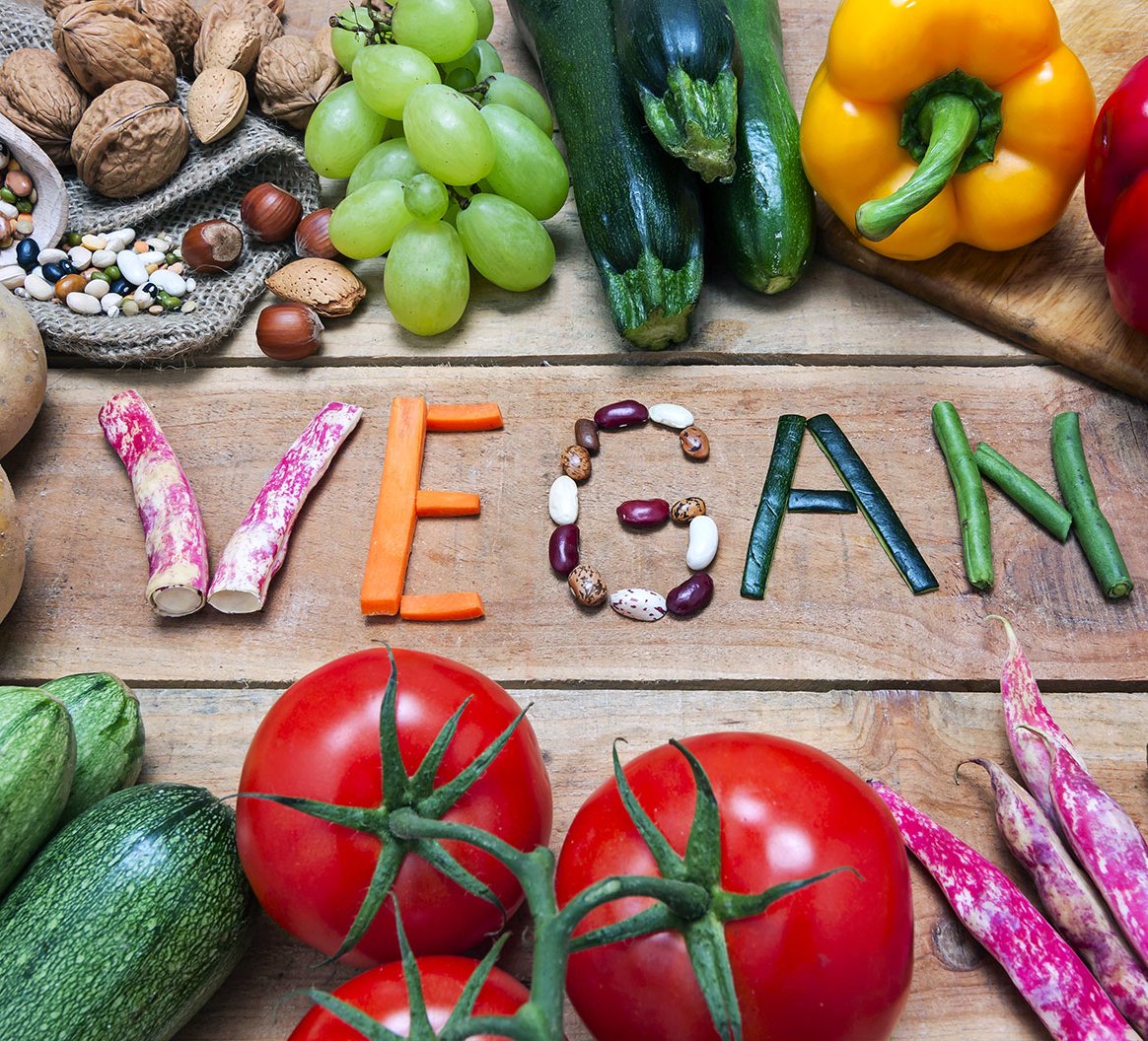
Healthy eating means a balanced dietary pattern based on varied, nutrient-rich foods that provide proteins, vitamins, minerals, and fiber.
According to scientific research, a healthy adult diet is based on the following principles:
- Diversity – consuming a wide range of foods such as fruits, vegetables, whole grains, lean proteins (lean meat, fish, tofu, or legumes), and dairy products or alternative calcium sources.
- Nutrient-dense foods – rich in essential vitamins, minerals, proteins, healthy fats, and fiber.
- Reduced fat intake – although fats and oils are sources of energy, excessive consumption—especially of saturated and industrially processed fats—should be avoided due to the increased risk of cardiovascular disease. Unsaturated oils are recommended, while animal fats should be limited.
- Limiting sugar intake – reducing foods and beverages high in sugar to lower the risk of diabetes.
- Moderation – consuming balanced portions to avoid excess calories and maintain a healthy weight.
- Choosing natural foods and avoiding highly processed products – reducing fast food and heavily processed items that are high in calories and unhealthy additives, while favoring natural foods.
- Healthy cooking methods – preferring steaming, baking, or grilling instead of frying in oil or other unhealthy fat-based methods.
- Balanced calorie intake – aligning food consumption with individual energy needs to maintain a healthy weight.
- Adequate hydration – regular water intake adjusted to individual needs, with a general reference of at least 2 liters per day for adults.
A balanced diet plays an essential role in maintaining overall health and preventing chronic diseases such as obesity, diabetes, cardiovascular disease, and certain cancers. It also has a major positive impact on overall well-being.
Physical activity and an active life
Starting from the Latin saying “mens sana in corpore sano” (a healthy mind in a healthy body), we must remember that the human being functions as a whole, and physical health is directly connected to mental and emotional health.
To maintain good health and reduce disease risk, the general recommendation is to adopt an active lifestyle based on regular movement and exercise.
According to international health recommendations:
- at least 2 hours and 30 minutes of moderate physical activity per week (such as walking outdoors), or
- 75 minutes of intense exercise (fitness training, running, tennis, cycling, etc.).
For those already passionate about sports, training may reach up to 5 hours per week of moderate to intense activity. At the same time, recovery and rest must not be neglected when the body is overworked, tired, or exhausted.
A balanced lifestyle and work–life balance
To complete this picture, we must also consider healthy daily habits, including:
- quality sleep (7–9 hours per night),
- stress reduction,
- maintaining a healthy balance between professional and personal life,
- time for relaxation, hobbies, friends, family, and meaningful relationships.
At the same time, it is important to stay away from harmful behaviors such as smoking, excessive alcohol consumption, and chronic sleep deprivation, all of which can seriously affect long-term health.
A healthier life, step by step
Adopting a healthy and balanced lifestyle does not need to be difficult or overwhelming. It begins with your own decision, supported by specialists and modern technology that provide tools and applications designed to simplify the process and turn it into an engaging experience.
Wellolive is one such application—created to be a trusted partner that guides you on your journey toward healthier living. It helps you adopt this lifestyle naturally by offering:
- personalized diet plans,
- healthy and flavorful recipes,
- recommendations and educational insights,
- information about interactions between medication and nutrition,
- the ability to create a medication plan,
- and connection with the right medical professional.
All of these elements support a natural transition toward a truly healthy and balanced way of life.