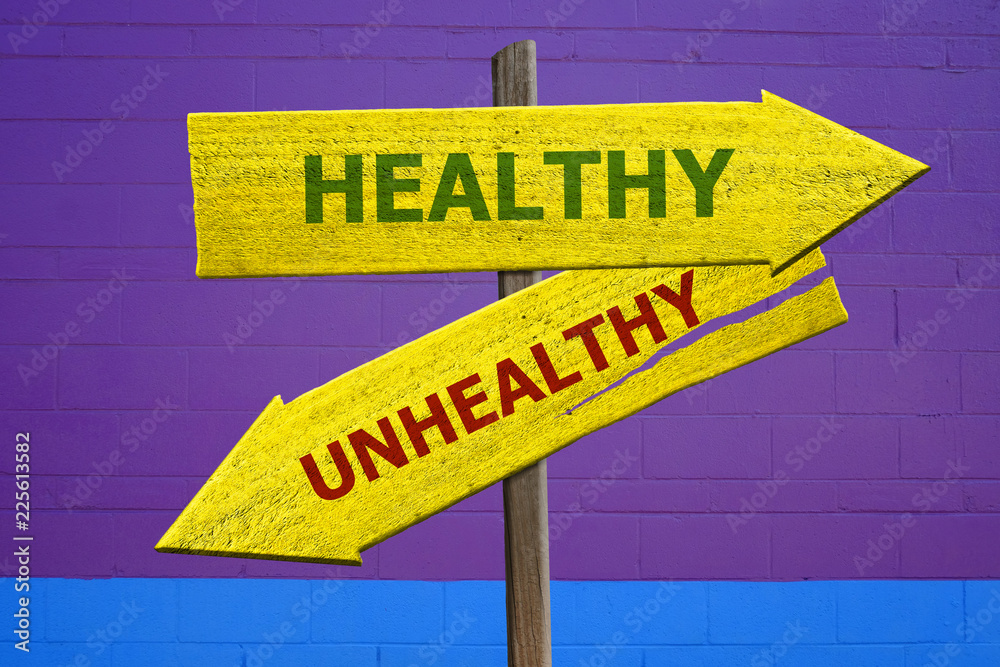
In today’s fast-paced world, adopting a healthy lifestyle can truly feel like a major challenge. Being healthy does not simply mean being free of illness or having a well-defined muscular body. Health is closely connected to our daily habits and brings together physical, mental, and emotional well-being. So, let’s take a closer look at what a healthy lifestyle really means and how we can incorporate a balanced diet into our everyday routine.
First, it’s important to understand that a healthy lifestyle includes more than just daily nutrition. It also involves adequate rest and effective stress management. Chronic stress disrupts hormonal balance and increases the secretion of the hunger hormone, which can lead to a persistent feeling of hunger. Adopting a healthy lifestyle also means avoiding harmful habits, such as smoking and excessive alcohol consumption and engaging in regular physical activity. Emotional balance plays a key role in the food choices we make, while chronic stress can negatively affect both physical and mental health. Consistent physical activity is therefore a powerful and reliable support for overall well-being.
It is widely recognized that a balanced diet is essential for a healthy life. It helps maintain an optimal body weight and provides protection against numerous health conditions.
How can we define a balanced diet more precisely?
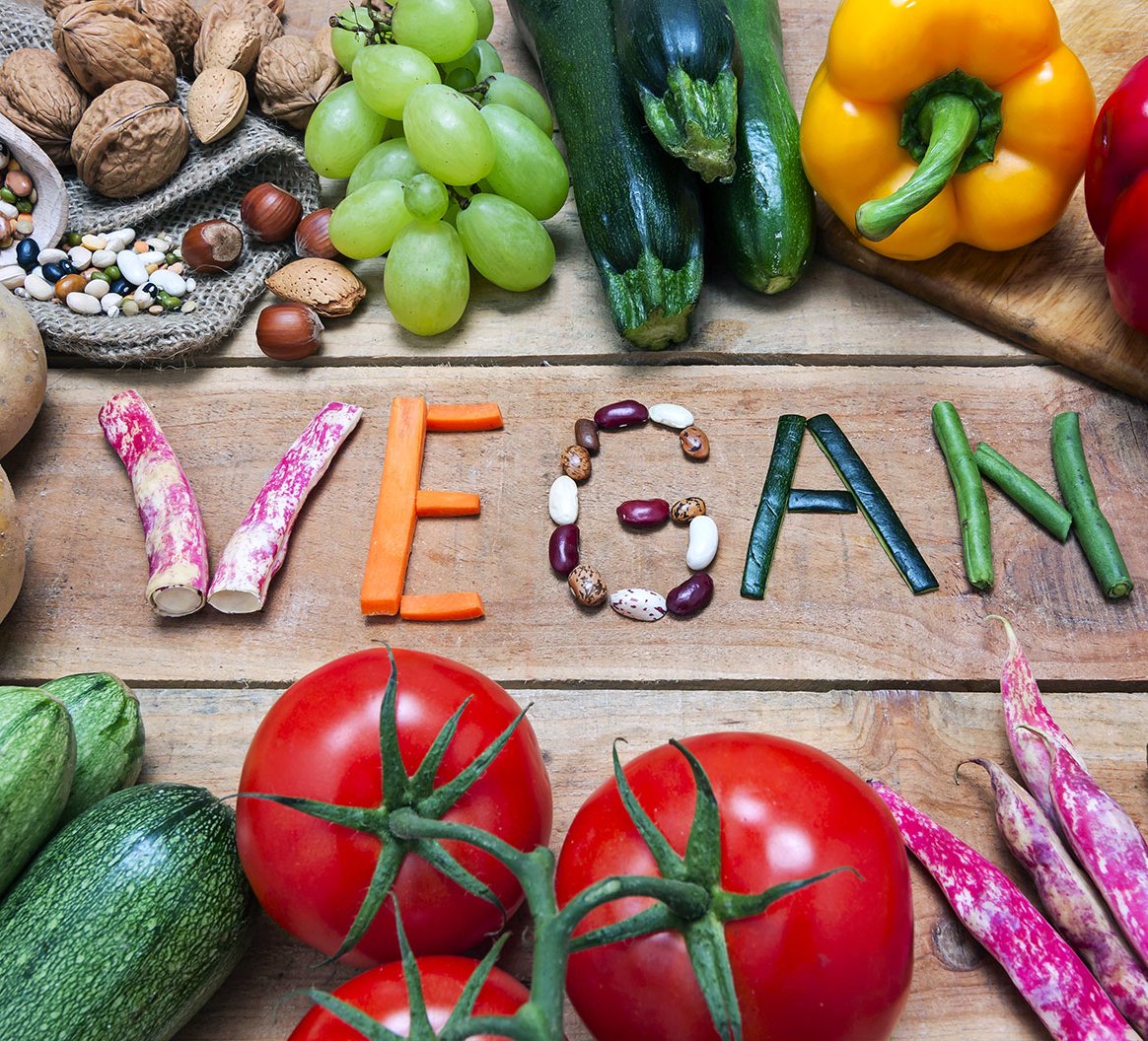
- Variety: A balanced diet includes foods from all major food groups – fruits, vegetables, whole grains, proteins, and healthy fats. Only through dietary diversity can we ensure an adequate intake of essential nutrients.
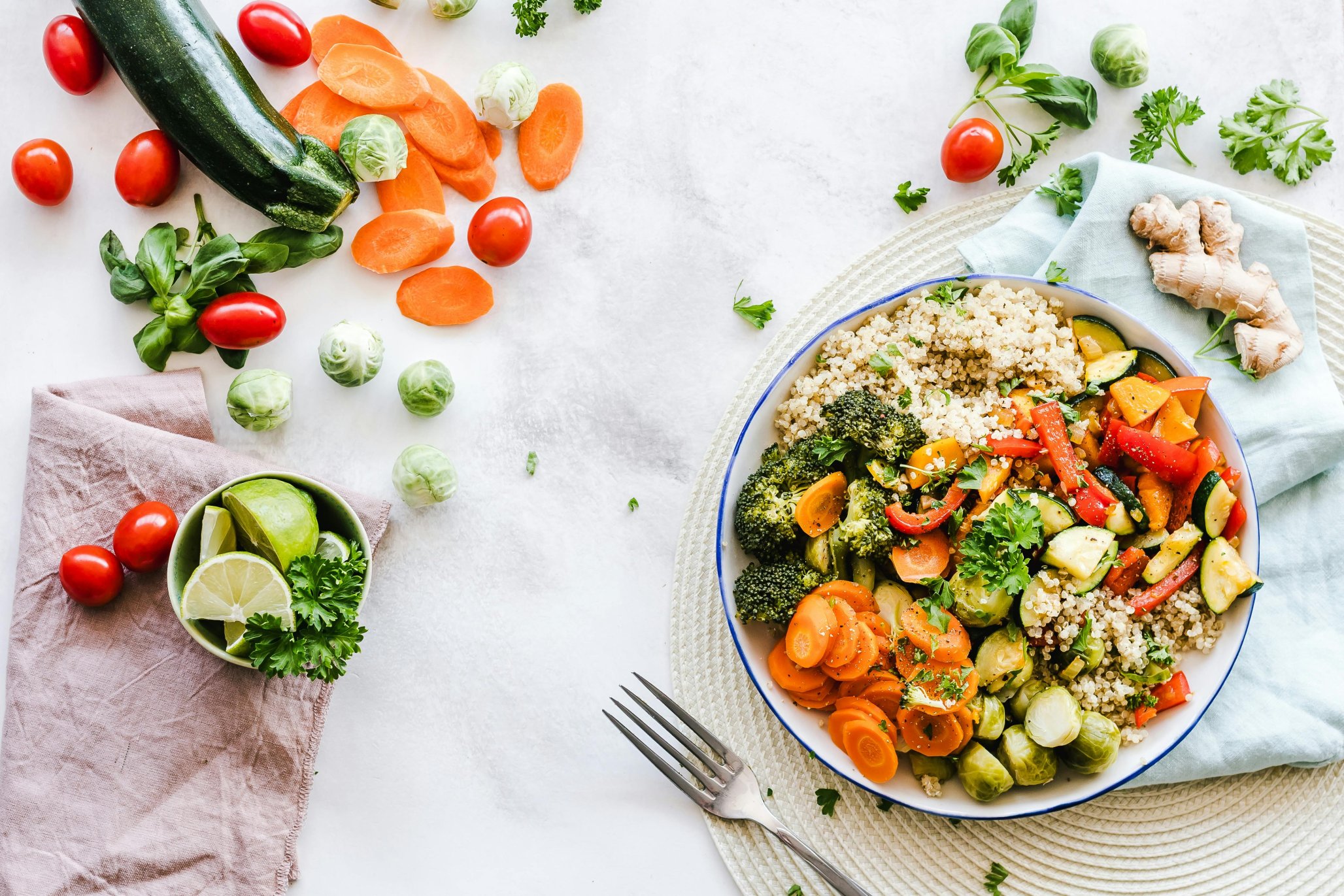
- A nutritionally balanced meal should follow the healthy Plate model: half of the plate: vegetables and fruits, one quarter: protein, one quarter: whole grain. The general recommendation is to consume at least five servings per day, choosing a wide range of colors to maximize nutrient intake.
- Grain products should be eaten in their whole-grain form – such as whole-grain pasta or brown rice—to provide optimal amounts of fiber, vitamins, and minerals.
- High-quality protein sources supply essential amino acids. These include lean poultry, fish, eggs, and dairy products, as well as plant-based proteins like peas, beans, lentils, chickpeas, and edamame. Ideally, daily nutrition should include a balance of both animal- and plant-based proteins.
- Healthy Fats
- It is best to limit ultra-processed and fried foods, which are high in unhealthy fats, and instead focus on foods rich in beneficial fats, such as nuts and seeds (raw), avocado, olive oil, and fatty fish like salmon.
- Hydration is another essential component of daily nutrition. Under normal conditions, recommended water intake is approximately 30 ml per kilogram of optimal body weight.
How can we start integrating healthy lifestyle and balanced diet principles?
With gentleness 😊 and small, consistent steps – the key to lasting change.
If we want to introduce healthy lifestyle strategies into our daily routine, organization is the first step. The more organized we are, the easier it becomes to follow our plan – whether the goal is weight loss or weight maintenance. The principle of success remains the same.
In practical terms, meal planning, maintaining a regular sleep schedule, scheduling exercise, and allowing time for relaxation and social connection all play vital roles in supporting overall health. These habits help create the sense of balance each of us needs to discover, understand, and adopt in our own way.
In this process, technology can be a valuable ally. Digital tools can help us stay organized, track progress, and make informed daily choices. Wellolive is one example of an app designed to support a healthy lifestyle, offering personalized guidance, balanced meal ideas, and practical tools for monitoring daily habits – a virtual assistant that turns goals into simple, concrete, and achievable steps for anyone seeking long-term well-being.